
Road Freight Services

Road Freight Forwarding
Door-to-door shipping is a logistics service in which the freight forwarder or shipping provider handles the entire transportation process—from the origin point to the final destination. This shipping includes pickup, air or ocean transportation, customs clearance both at the origin and destination, depending upon the incoterms, and final delivery to the customer’s warehouse.
Key Benefits Of Door-to-Door Freight Forwarding
There are several reasons why businesses choose door-to-door freight shipping, some of which include:
Convenience
Determine whether FCL or LCL is more suitable for your shipment based on the volume and nature of your goods.
Reduced Risk of Damage
Since the goods are handled less frequently the likelihood of damage during transport is minimized. This streamlined handling helps preserve the integrity of the products, especially for fragile or valuable items.
Time-Saving
Door-to-door services eliminate the need for the sender to visit transport terminals or deal with customs. This saves significant time and effort, allowing businesses to focus on their core operations rather than managing shipping logistics.
Cost-Efficiency
While door-to-door freight shipping may be slightly more expensive than other shipping methods, it can reduce overall costs by eliminating the need for multiple transport arrangements, storage fees, and intermediary handling charges.
Tracking and Visibility
Many door-to-door freight shipping services offer tracking systems, which provide real-time updates on the status of shipments. This transparency helps businesses and customers stay informed about delivery progress and plan accordingly.
The Door-to-Door Freight Forwarding Process
Understanding the process of door-to-door freight shipping is essential for optimizing your logistics strategy. While the exact process may vary depending on the shipping company and the destination, the general steps typically include:
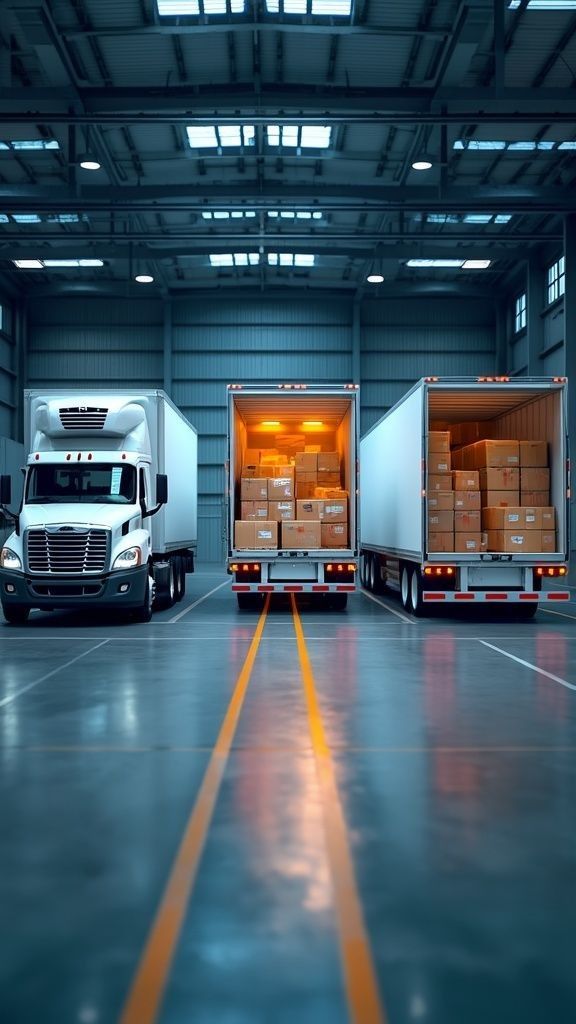
- Pick-Up: The process begins with picking up goods from the sender’s location. The sender must schedule the pick-up time, and the freight service will arrange to collect the goods.
- Transport to the Nearest Freight Terminal: The goods are then transported to the nearest freight terminal, where they are transferred to the appropriate mode of transportation (e.g., truck, ship, and plane).
- International Transport: If the shipment is international, it will likely involve customs clearance and documentation. During this phase, the shipping company handles all the necessary paperwork, taxes, and duties, ensuring that the goods comply with the destination country’s regulations.
- Local Delivery: Once the goods arrive in the destination country, they are transported to a local terminal for the final leg of the journey. From there, they are delivered directly to the recipient’s address.
- Final Delivery: The goods are delivered directly to the recipient’s door, completing the shipping process.
Factors To Consider When Choosing Door-to-Door Freight Forwarding
While door-to-door freight shipping offers numerous benefits, there are a few factors businesses should consider before opting for this service:
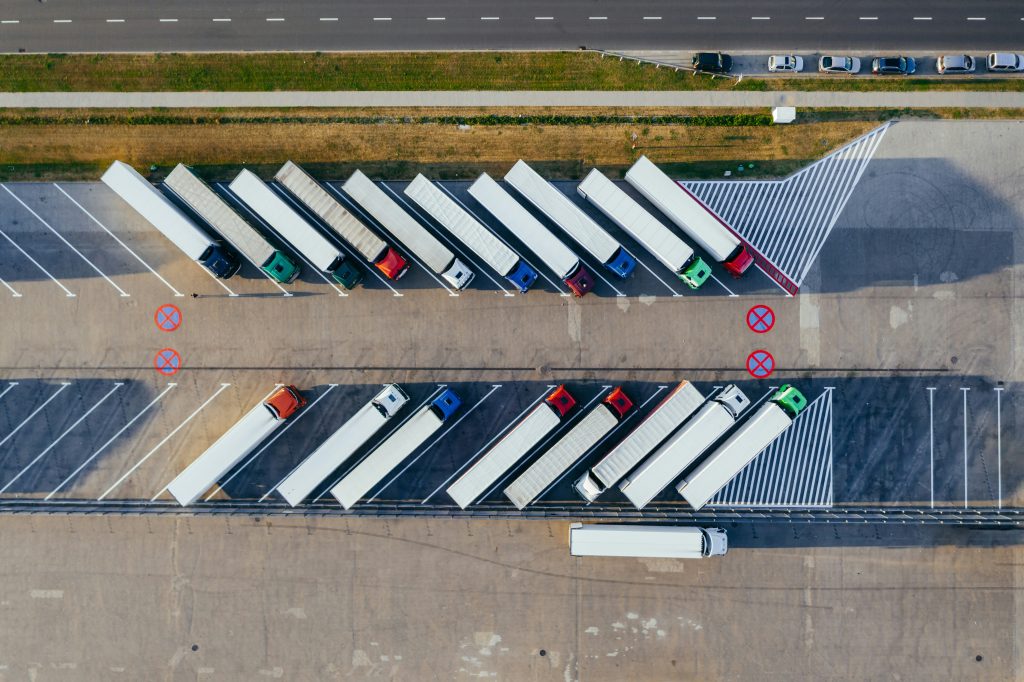
- Shipping Costs: Depending on the distance, type of goods, and mode of transport, door-to-door shipping can be more expensive than other shipping methods. However, the convenience and time-saving benefits may justify the extra cost.
- Delivery Time: Delivery times can vary depending on the destination and the shipping method. Businesses should discuss the expected delivery times with the freight service provider to ensure the shipment meets their timeline requirements.
- Customs and Duties: Customs clearance can sometimes lead to delays for international shipments. It is crucial to work with a shipping provider experienced in handling customs processes and ensuring smooth clearance.
- Size and Weight of the Goods: The size and weight of the shipment can affect both cost and shipping method. Heavier or bulkier items may need special handling or different transportation modes, so discussing this with your freight provider is essential.
- Reputation of the Shipping Provider: Choose a reliable and reputable shipping company with experience handling door-to-door freight shipments. Research customer reviews and feedback to ensure they deliver on time and carefully handle goods