Ocean Freight Services
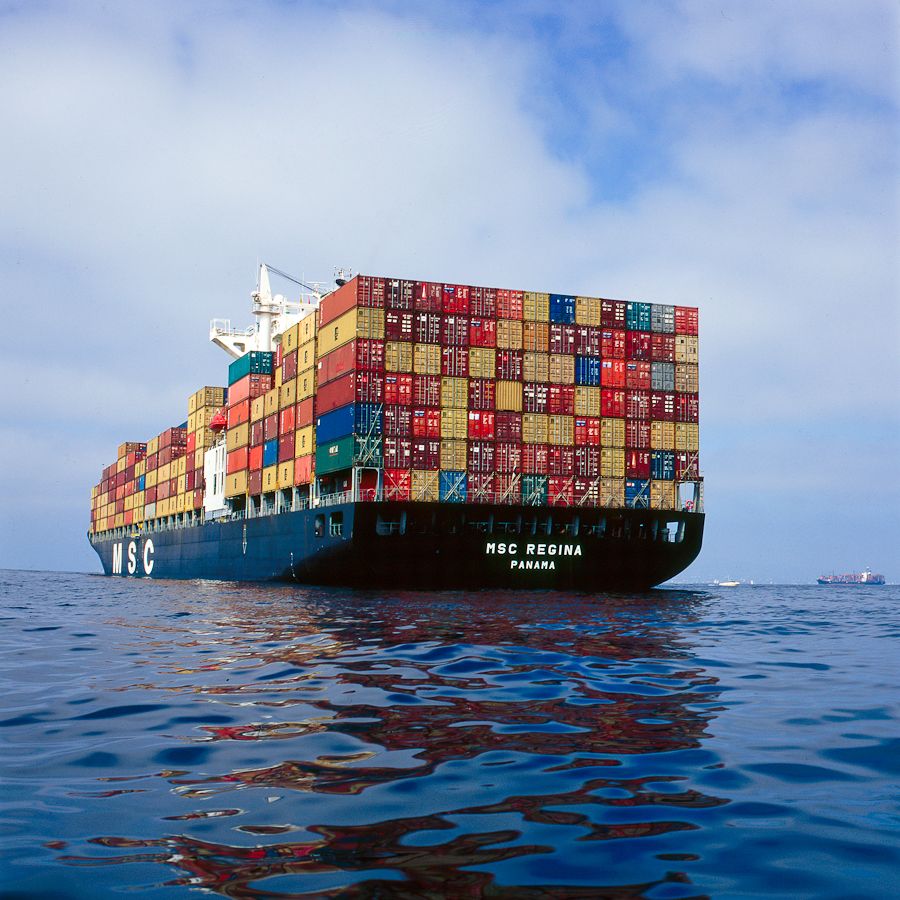
Ocean Freight forwarding
Ocean or sea freight is crucial to international trade and commerce. It involves transporting goods by sea on large cargo ships or vessels. This mode of transportation is widely used for its cost-effectiveness, especially for long-distance shipments.
Types of Ocean Freight Services
Full Container Load (FCL): a service in which an entire container is dedicated to a single shipment. This option is ideal for businesses with a large volume of goods to transport. It provides exclusivity and ensures that the goods are not mixed with other shipments. FCL offers flexibility in terms of container size, allowing businesses to choose the appropriate container based on their cargo requirements.
Less than Container Load (LCL): LCL is a service where multiple shipments from different customers are consolidated into a single container. This option is suitable for businesses that have smaller volumes of goods to transport. LCL offers cost savings as the transportation costs are shared among multiple shipments. However, it may result in longer transit times due to the need for consolidation and deconsolidation at the ports.
How to Ship Using Ocean Freight
Choose the right shipping method
Determine whether FCL or LCL is more suitable for your shipment based on the volume and nature of your goods.
Select a freight forwarder
Research and choose a reliable freight forwarder who will handle the logistics of your shipment, including documentation, customs clearance, and coordination with shipping lines.
Prepare the shipment
Pack your goods securely to withstand the rigors of sea transportation. Ensure proper labeling, marking, and documentation compliance.
Submit shipping documents
Provide the necessary shipping documents to your freight forwarder, including a commercial invoice, packing list, export forms / Import forms and any other required certificates or permits.
Book the shipment
Your freight forwarder will book the shipment with the chosen shipping line and arrange for the container to be delivered to your premises for loading.
Transportation to the port
Arrange for the transportation of the loaded container to the port of origin, either through your freight forwarder or a third-party carrier.
Customs clearance
Your freight forwarder or custom clearing agent will handle the customs clearance process, ensuring that all required documentation is submitted, customs duties are paid (if applicable), and any necessary inspections or examinations are conducted
Ocean voyage
The container will be loaded onto the vessel and transported to the destination port. During this time, you can track the progress of your shipment using advanced tracking technologies.
Customs clearance at destination
Once the container arrives at the destination port, the customs clearance process will be repeated, ensuring compliance with local regulations.
Delivery to destination
After customs clearance, the container will be delivered to your specified destination, either by the shipping line or a local carrier, depending on the agreed terms.
How to Ship Using Ocean Freight
Shipping goods using ocean freight involves a series of steps. Following them carefully will help you navigate the ocean freight shipping process efficiently, ensuring that your goods reach their destination in a timely manner.
Choose the right shipping method
Determine whether FCL or LCL is more suitable for your shipment based on the volume and nature of your goods.
Select a freight forwarder
Research and choose a reliable freight forwarder who will handle the logistics of your shipment, including documentation, customs clearance, and coordination with shipping lines.
Prepare the shipment
Pack your goods securely to withstand the rigors of sea transportation. Ensure proper labeling, marking, and documentation compliance.
Submit shipping documents
Provide the necessary shipping documents to your freight forwarder, including a commercial invoice, packing list, export forms / Import forms and any other required certificates or permits.
Book the shipment
Your freight forwarder will book the shipment with the chosen shipping line and arrange for the container to be delivered to your premises for loading.
Transportation to the port
Arrange for the transportation of the loaded container to the port of origin, either through your freight forwarder or a third-party carrier.
Customs clearance
Your freight forwarder or custom clearing agent will handle the customs clearance process, ensuring that all required documentation is submitted, customs duties are paid (if applicable), and any necessary inspections or examinations are conducted
Ocean voyage
The container will be loaded onto the vessel and transported to the destination port. During this time, you can track the progress of your shipment using advanced tracking technologies.
Customs clearance at destination
Once the container arrives at the destination port, the customs clearance process will be repeated, ensuring compliance with local regulations.
Delivery to destination
After customs clearance, the container will be delivered to your specified destination, either by the shipping line or a local carrier, depending on the agreed terms.
Ocean Freight Regulations and Customs
International ocean freight involves compliance with various regulations and customs procedures. Understanding and adhering to these requirements ensures a smooth and hassle-free shipping process. Here are some key factors to consider:
- Incoterms: Incoterms, or International Commercial Terms, define the responsibilities of the buyer and seller in international trade. They outline who is responsible for transportation costs, insurance, customs clearance, and other related aspects. Familiarize yourself with the relevant Incoterms to avoid any misunderstandings or disputes.
- Customs Documentation: Proper documentation is crucial for customs clearance. This includes the bill of lading, commercial invoice, packing list, and any certificates or permits the destination country requires. Ensure all documents are accurately filled out and comply with the customs regulations of both the origin and destination countries.
- Restricted and Prohibited Goods: Different countries have restrictions and prohibitions on certain goods. Verifying if your goods fall under any such categories is essential to avoid potential legal issues or delays. Consult with a freight forwarder or customs broker for guidance on restricted items.
- Tariffs and Duties: Import duties and tariffs vary from country to country. Understanding the applicable rates and rules is crucial to calculating the total cost of your shipment accurately. Customs brokers can assist in determining the correct tariff classification and ensuring compliance with customs regulations.
Common Challenges in Ocean Freight and How to Overcome Them
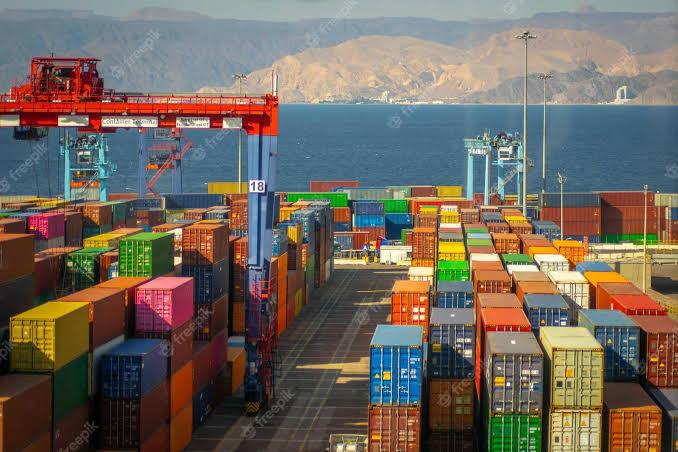
Ocean freight involves various challenges you must be aware of and address to ensure a smooth shipping process. Here are some common difficulties in ocean freight and strategies to overcome them:
Tips for Optimizing Ocean Freight Logistics
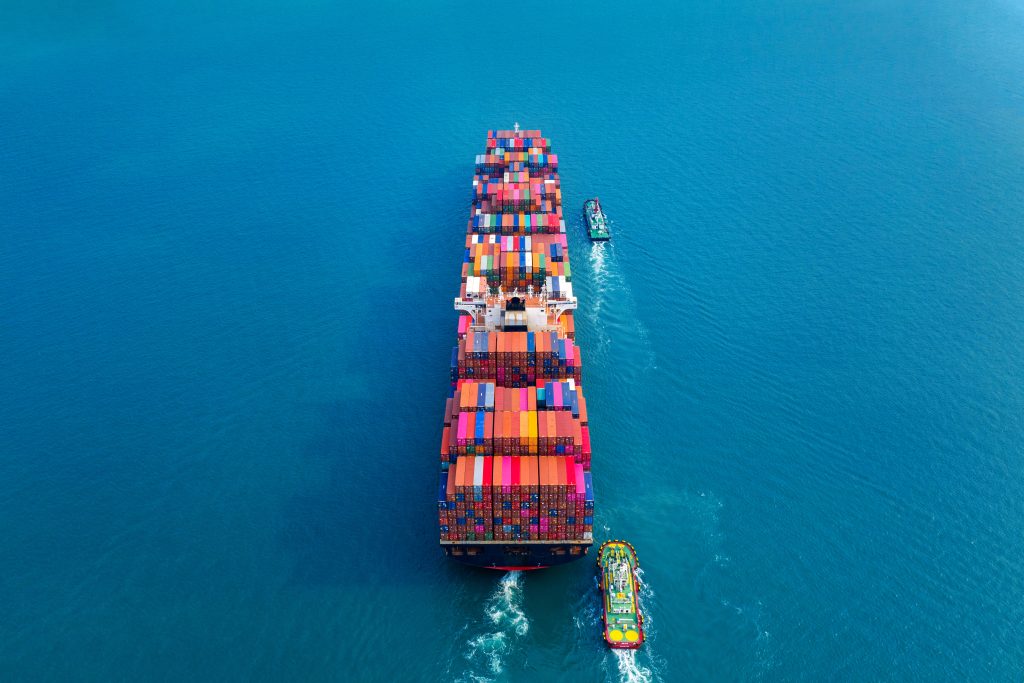
Optimizing ocean freight logistics is crucial to streamlining your supply chain, reducing costs, and improving overall efficiency. Here are some tips for optimizing ocean freight logistics.
Plan Ahead
Proper planning is essential for successful ocean freight logistics. Plan your shipments well in advance, considering factors such as lead times, transit times, peak seasons, and potential disruptions. This allows you to optimize your logistics schedule and make informed decisions regarding container sizes, shipping routes, and service providers.
Consolidate Shipments
Whenever possible, consolidate multiple shipments into a single container. This helps reduce transportation costs and the carbon footprint associated with shipping. Proper coordination and communication with your suppliers or customers can facilitate consolidation opportunities.
Optimize Container Utilization
Maximize the use of container space by properly packing and loading your goods. Utilize container load planning software or seek guidance from your freight forwarder to ensure optimal utilization of container capacity. This helps minimize wasted space and reduces the number of containers required.
Work with Reliable Partners
Choose reputable shipping lines, freight forwarders, and customs brokers with a proven industry track record. Establish strong relationships with your partners and maintain open lines of communication. This ensures smooth coordination, timely updates, and efficient problem-solving.
Continuous Improvement
Regularly review and evaluate your logistics processes to identify areas for improvement. Analyze performance metrics, seek feedback from your partners, and implement corrective actions. Continuous improvement ensures that your logistics operations remain efficient, adaptable, and aligned with your business goals.