
Dangerous Goods Transportation and Its Handling
What is DGR?
The Dangerous Goods Regulations (DGR) are guidelines established by the International Air Transport Association (IATA) or ICAO to safely ransport hazardous materials by air / Ocean. These regulations help classify, mark, pack, label, and document dangerous shipments in compliance with air/ocean transport regulations.
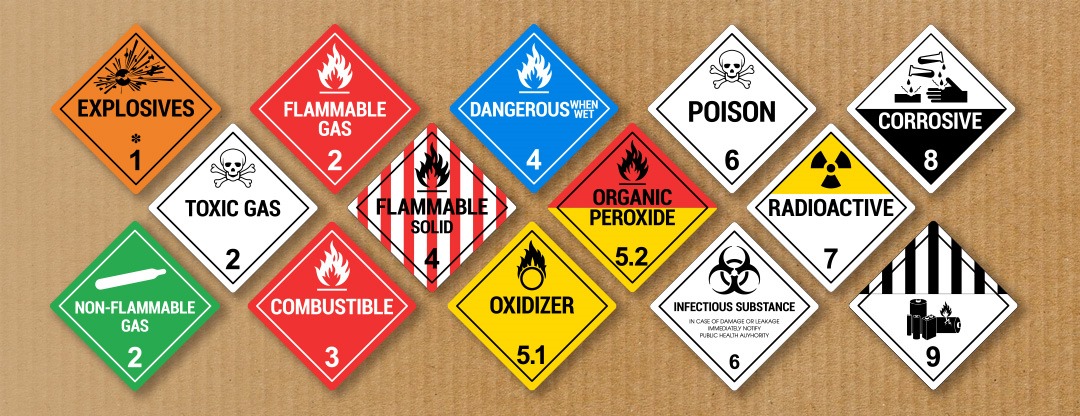
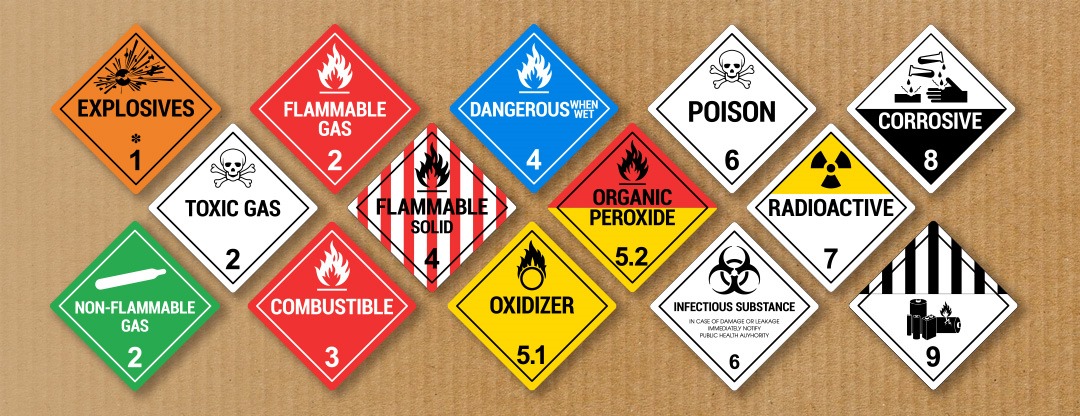
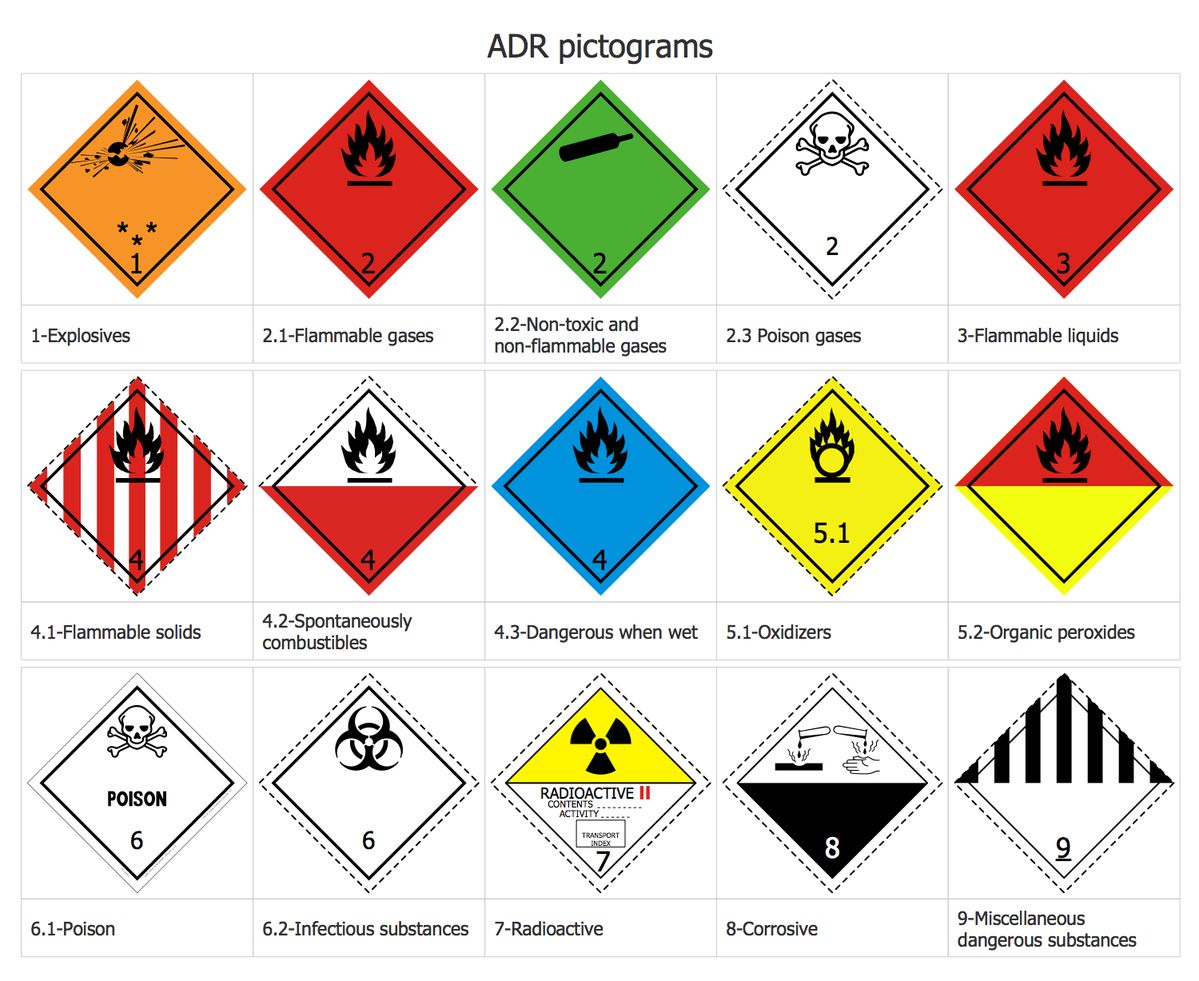
DGR Classes
Importance of DGR
- Safety Compliance: DGR ensures that all parties involved in the shipping process, including shippers, freight forwarders, and airline personnel, adhere to safety standards to prevent accidents and incidents during transport.
- Legal Requirements: Compliance with DGR is not only a best practice but also a legal requirement in many jurisdictions. It helps avoid fines, delays, and potential legal issues related to transporting hazardous materials.
- Documentation: The DGR outlines the documentation required for shipping dangerous goods, including the Dangerous Goods Declaration (DGD), certifying that the goods meet all applicable regulations.
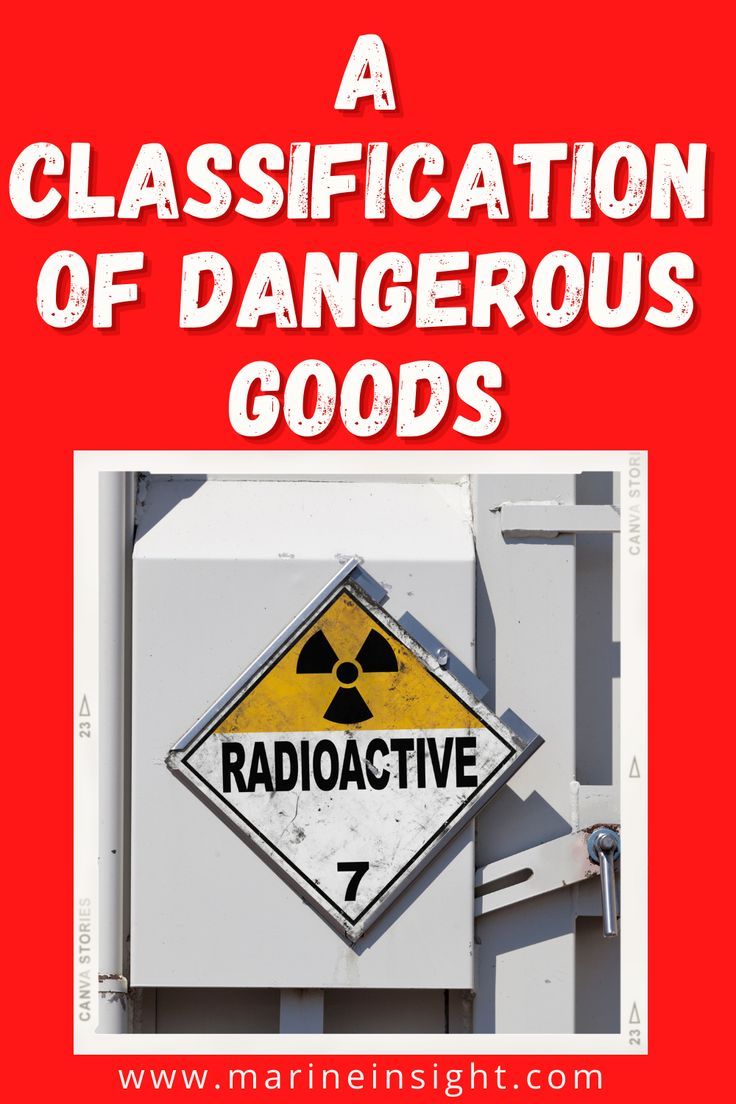
- Classification: Dangerous goods are classified into various categories based on their nature and potential hazards, such as flammable, corrosive, or toxic materials.
- Packaging Requirements: The DGR specifies stringent packaging requirements to ensure that hazardous materials are securely contained and do not pose a risk to handlers or the environment during transport.
- Training: Personnel transporting dangerous goods must be trained to understand the regulations and ensure compliance.
In compliance with regulations
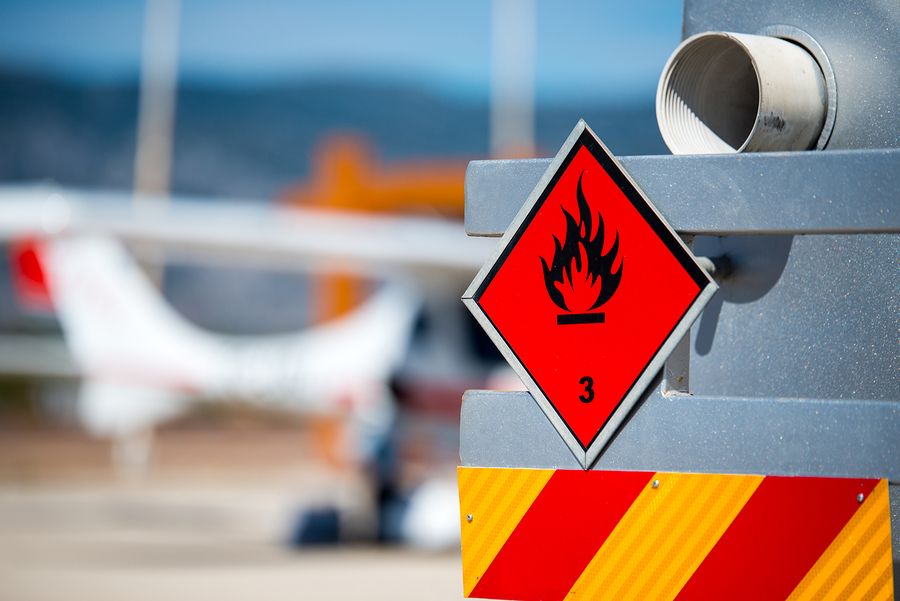
When shipping dangerous goods by sea, the risks to the environment can be significantly increased in the event of an incident. Therefore, it is essential to comply with the regulations imposed by the International Maritime Organization (IMO) for the carriage of dangerous goods by sea.The legislation directs companies to appoint an expert to assist them and ensure that all legal requirements are correctly applied. It also assigns specific responsibilities to the various stakeholders in the logistical chain.
Requirements for shipment of dangerous goods
Dangerous goods are an essential part of modern life, but they can be hazardous to life and the environment if they are not handled, stored, and transported correctly. We specialize in handling of dangerous goods for sea transport. Depending on the volumes being consigned, dangerous goods may be transported by sea in vessels, tanks, cylinders, or packages. When transporting hazardous goods, you must know the correct classification of your goods and any applicable quantity limits. This will help you determine the required documentation, packaging, and labelling.