
Air Freight Services
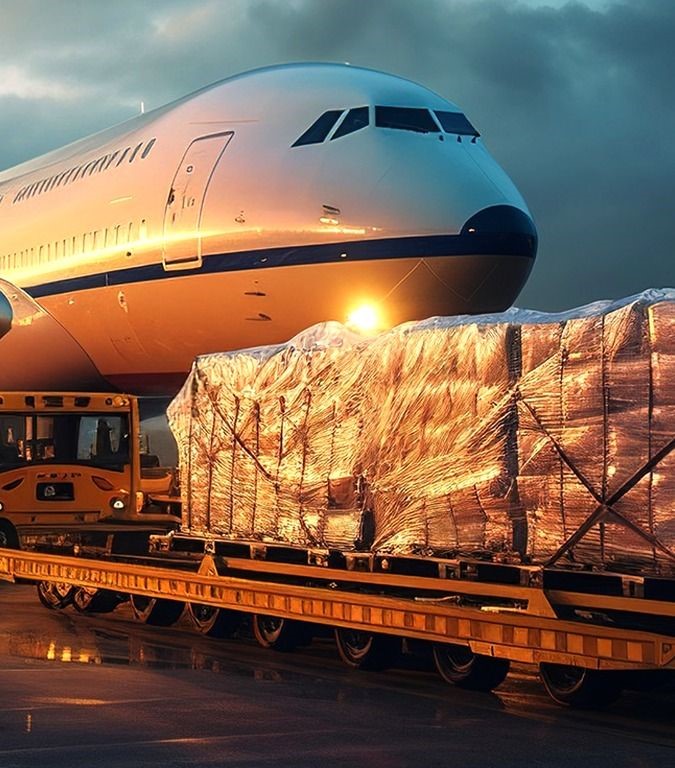
Air Freight forwarding
It is a key component of the logistics industry, designed to move cargo quickly across long distances. This mode of transportation is ideal for high-value, time-sensitive goods such as electronics, Fashion garments, pharmaceuticals, and perishable items.
The air cargo industry has experienced a notable surge of over 11% in demand for air freight volume since the outset of 2024. While this increase in demand may be partially attributed to the disruption in the Red Sea region, it is not the sole contributing factor. Hence, it becomes increasingly important to understand the available air freight solutions for business amidst the prevailing market conditions.
Types of Air Freight Services
- Express Air Freight
- Deferred Air Services
- Charter Air Freight
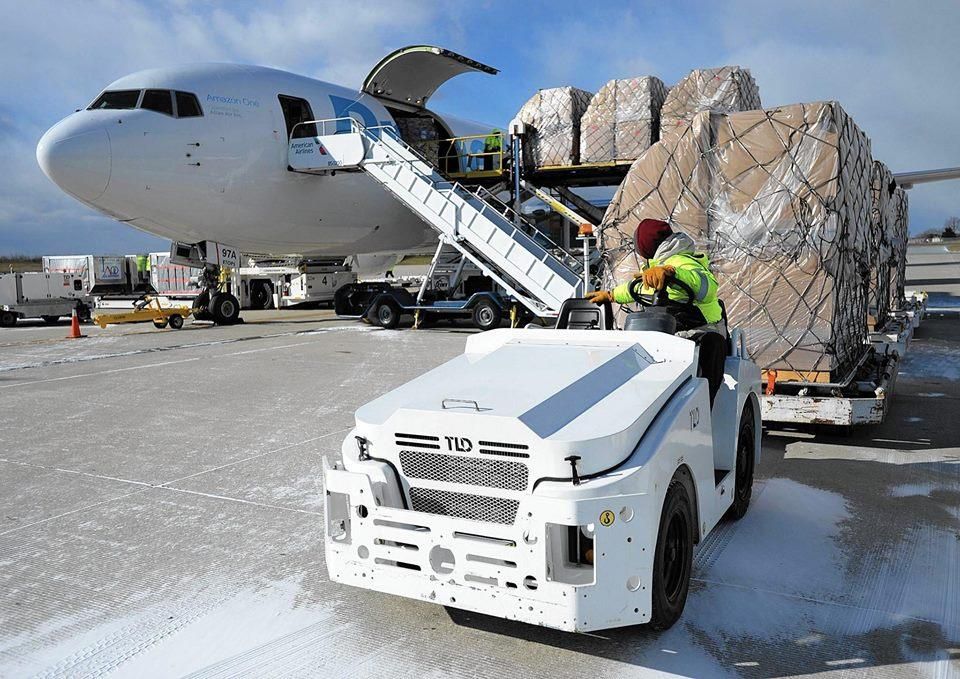
Overview of Air Freight in Global Trade
In the hustle and bustle of global trade, air freight stands out as the go-to mover and shaker. Think of it as international logistics—getting your goods from one corner of the globe to another, faster than you can say “next-day delivery.”
The most valuable player of getting things done in the business world is Air Freight. It’s not just planes doing the heavy lifting. Airlines team up with freight forwarders, customs wizards, and ground handling professionals to ensure your package isn’t stuck between departure and arrival. It’s a teamwork extravaganza; we’re here to explain how it all comes together.
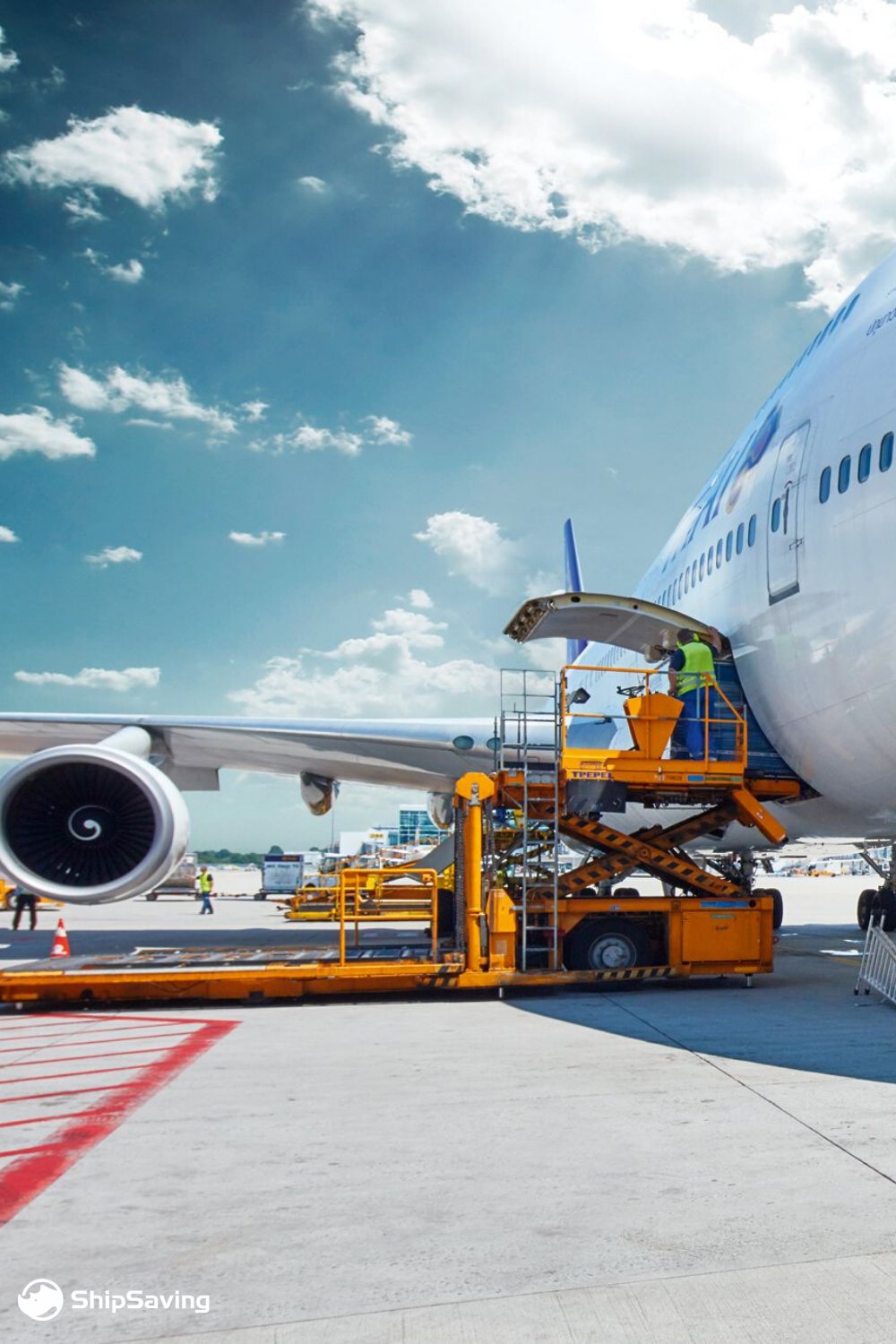
Calculating Air Freight Costs
The first step in estimating air freight expenses is figuring out the shipment’s chargeable weight. Calculating the actual and volumetric weights is necessary to determine the greater value to be used for pricing.
Using a calibrated scale, determine the actual weight of your package and record it in kilograms (kg). To determine the volumetric weight of an air shipment, multiply its length, width, and height in either centimeters (cm) or inches (in). Then, divide the result by 6000 for centimeters and 366 for inches. Multiply the result by the total number of packages to get the volumetric or chargeable weight of an air shipment. Whichever weight is higher, the airlines shall use it as a chargeable weight.